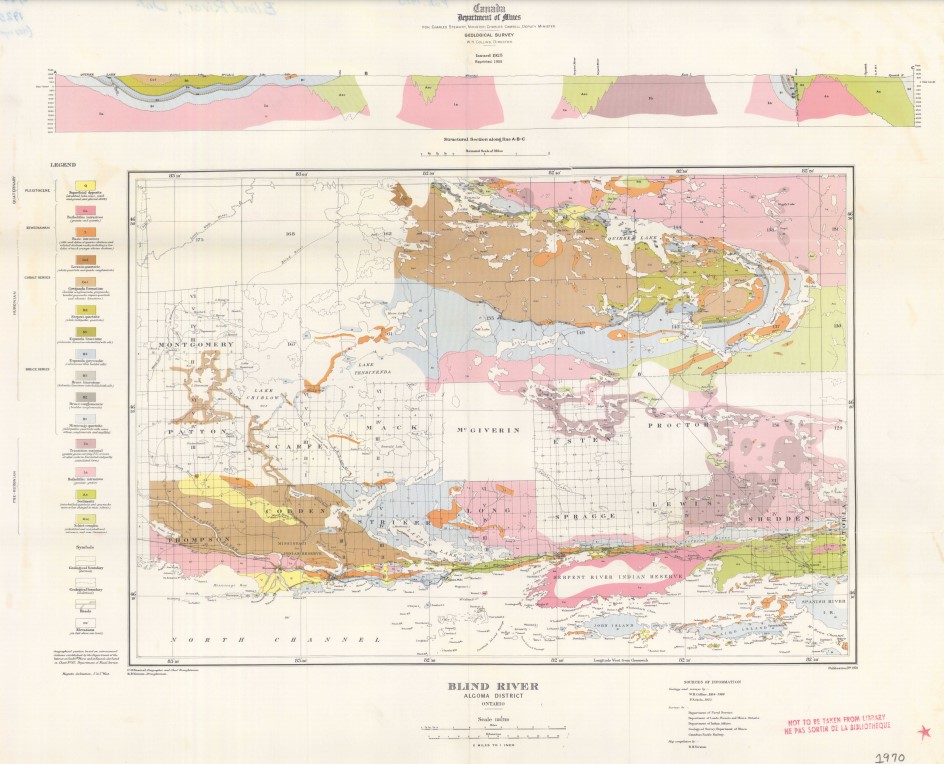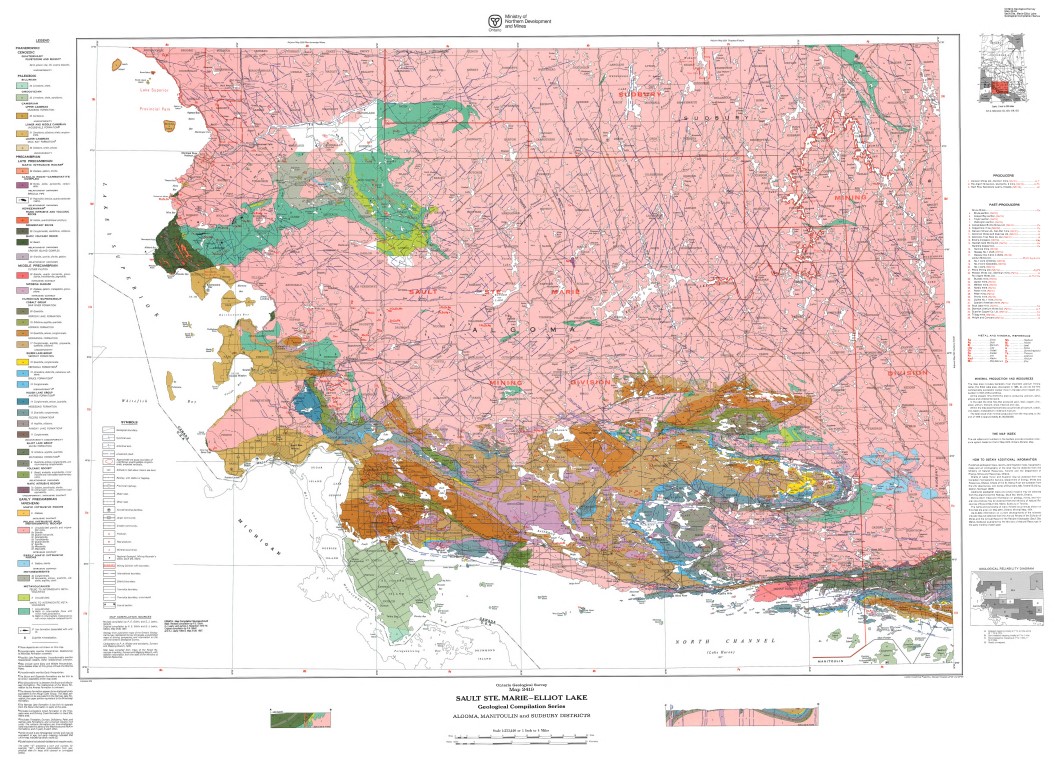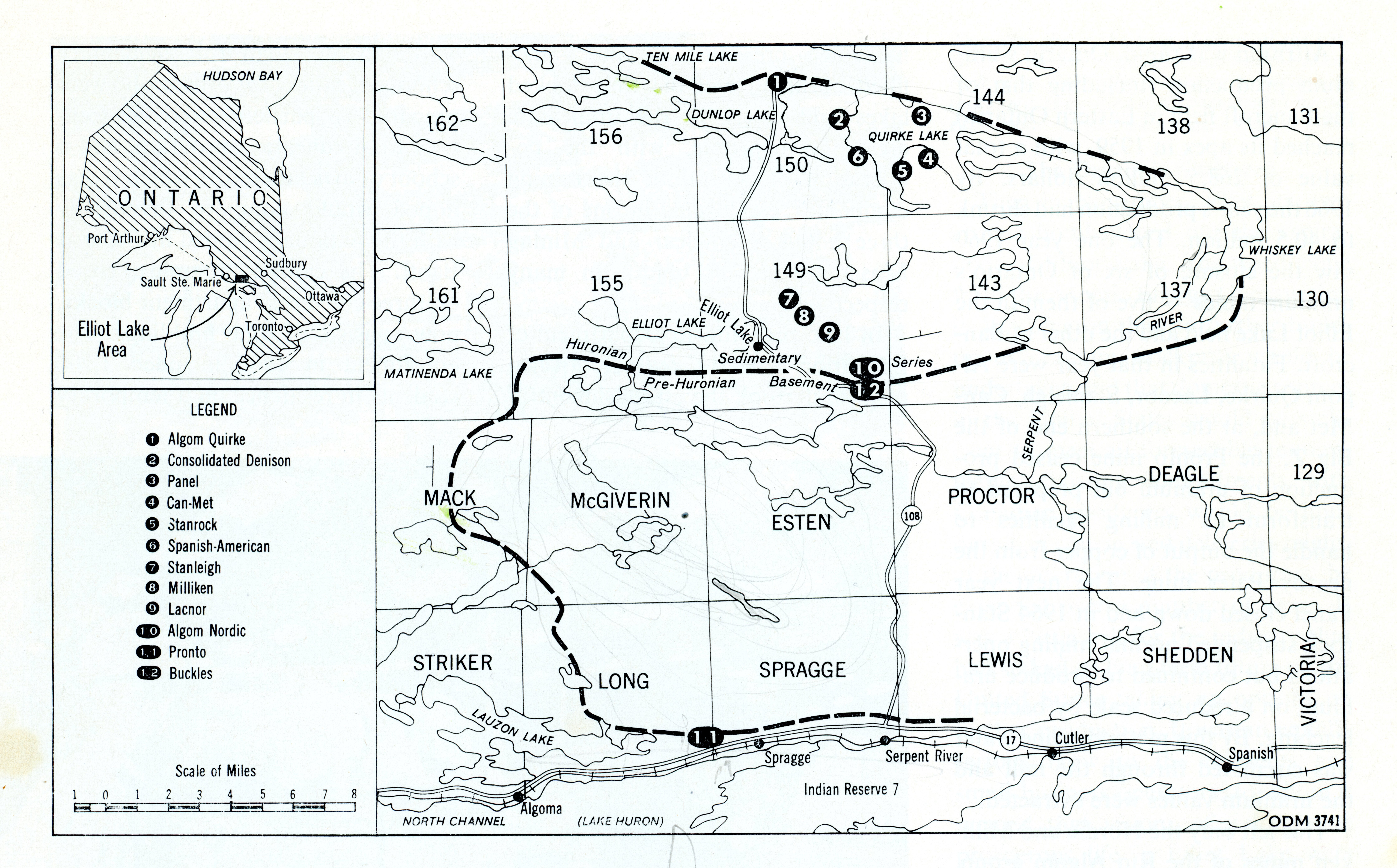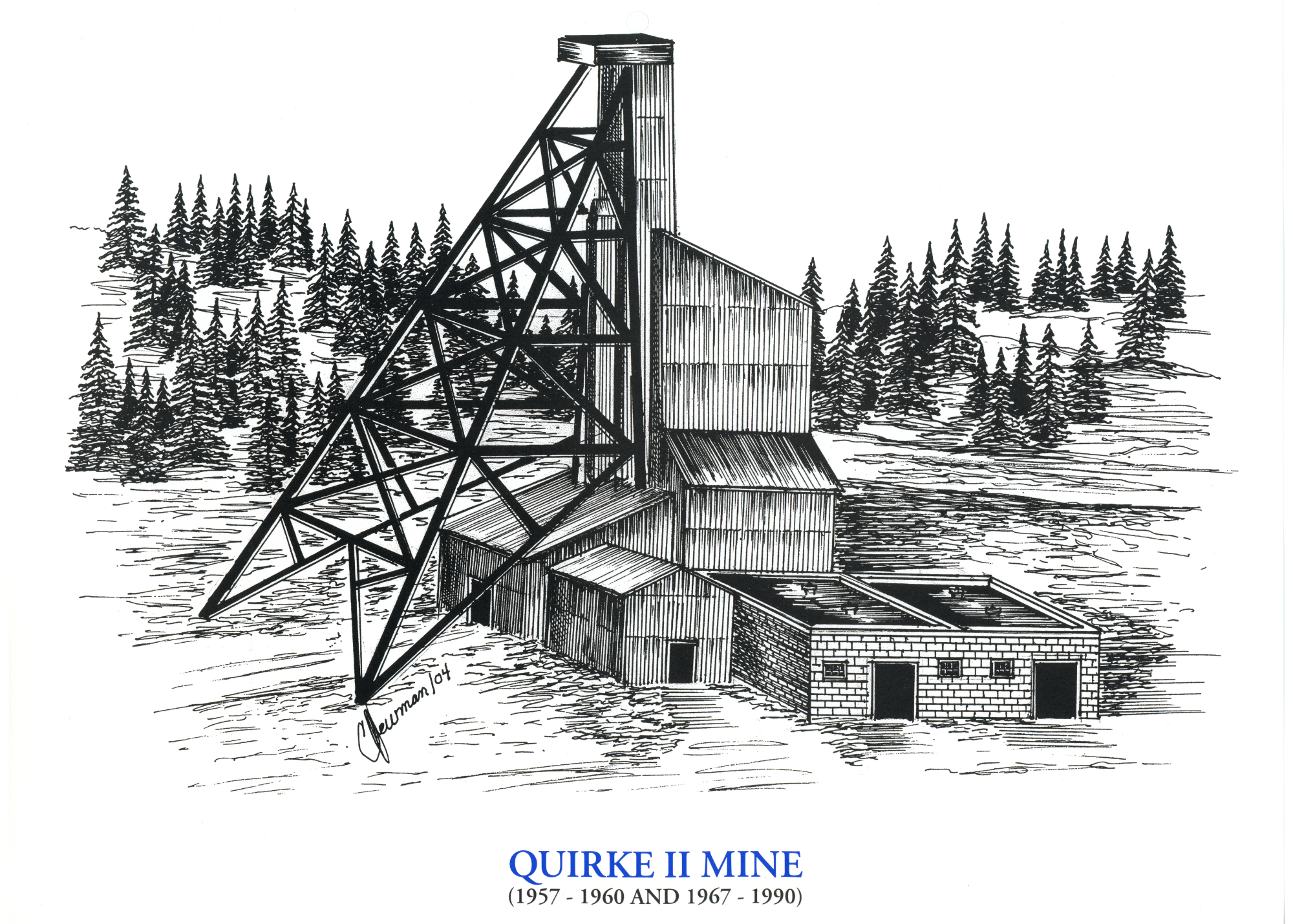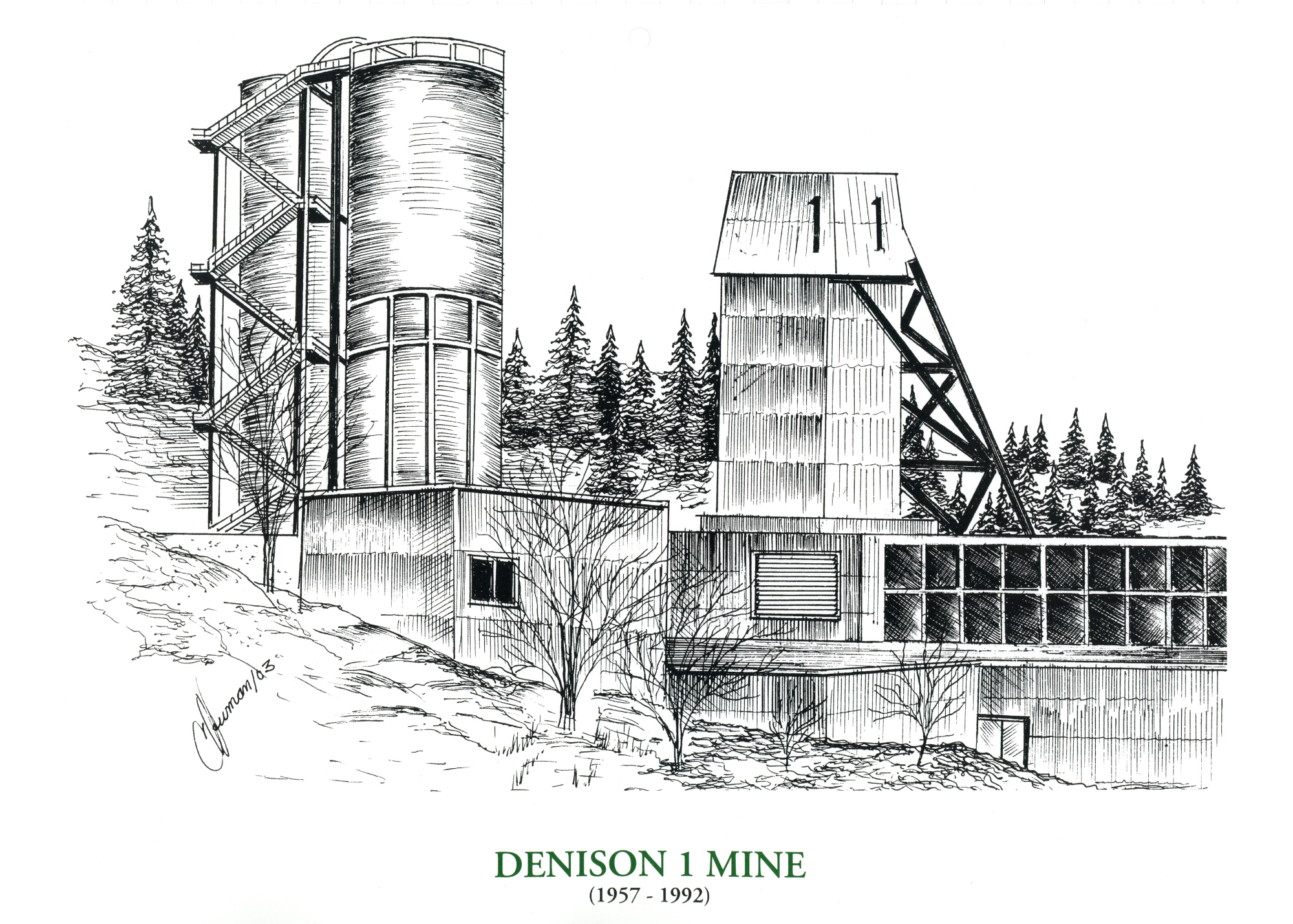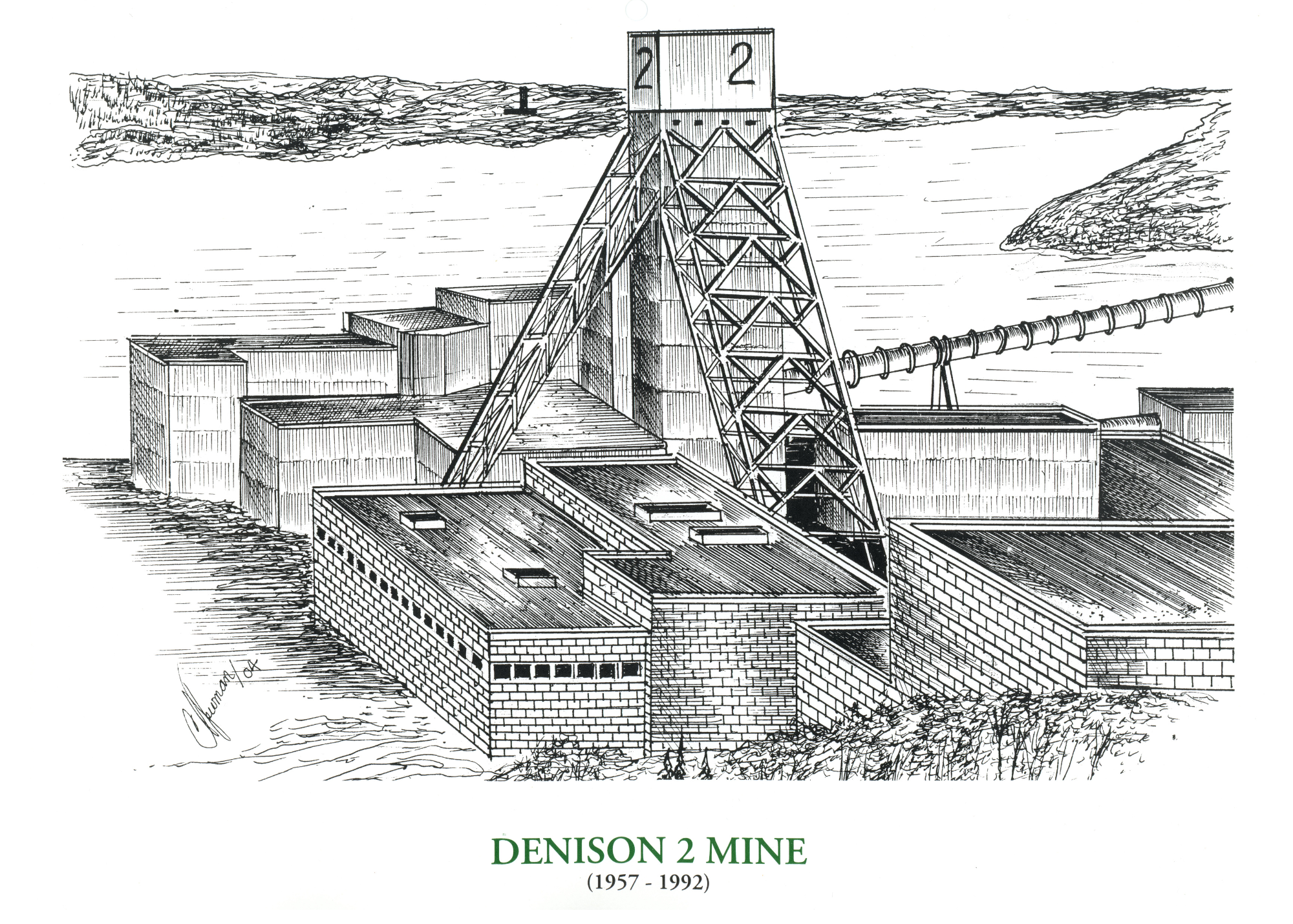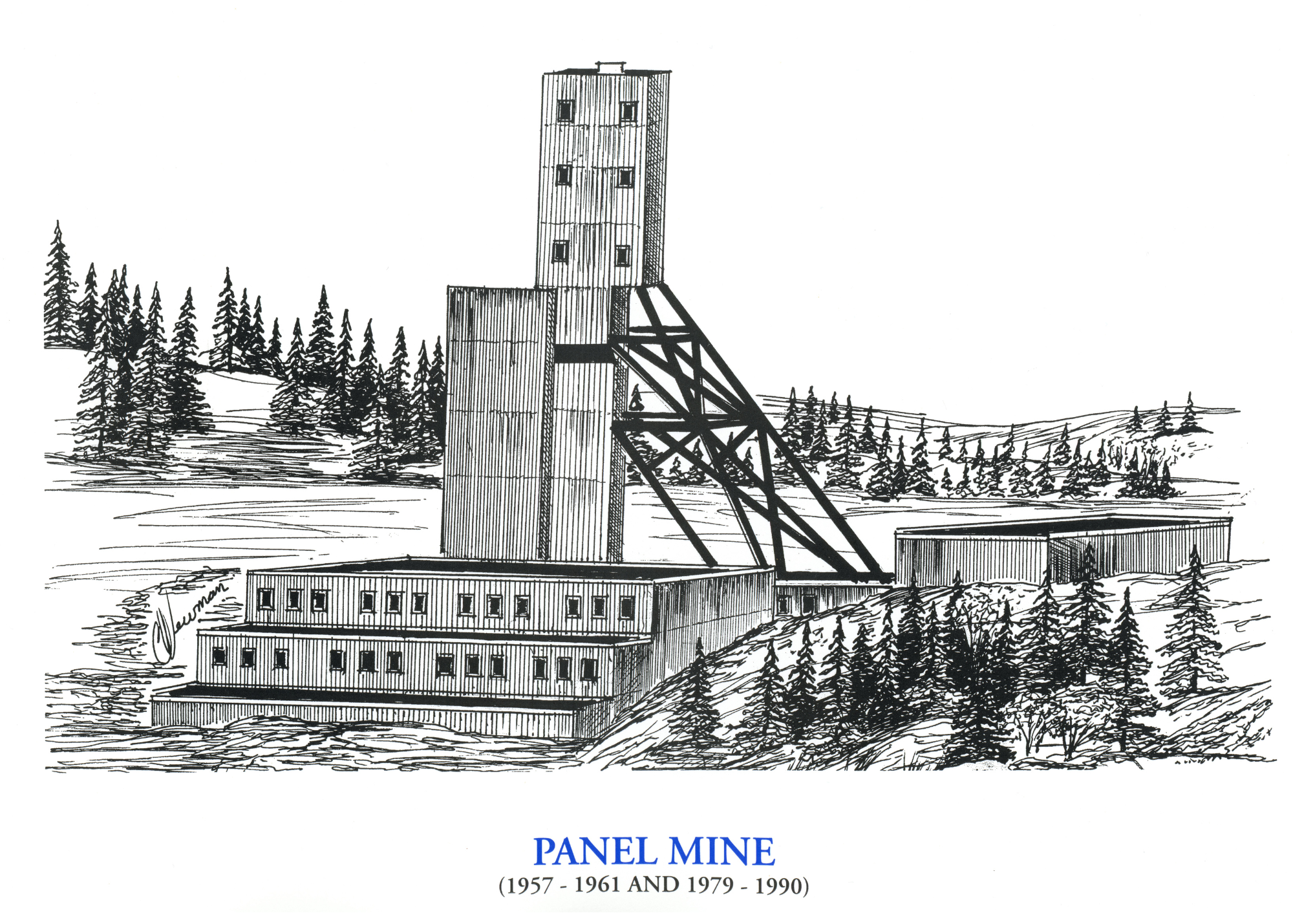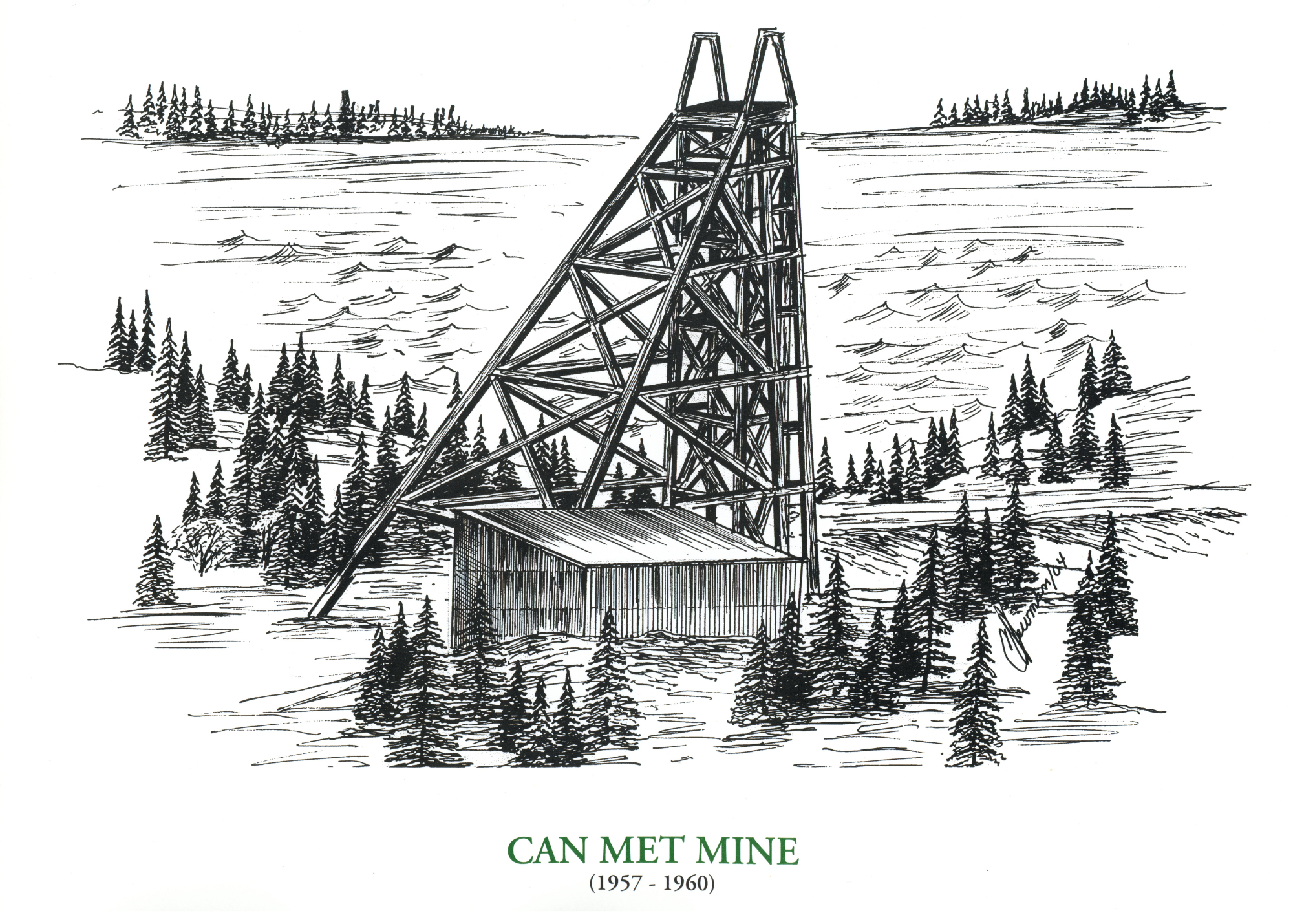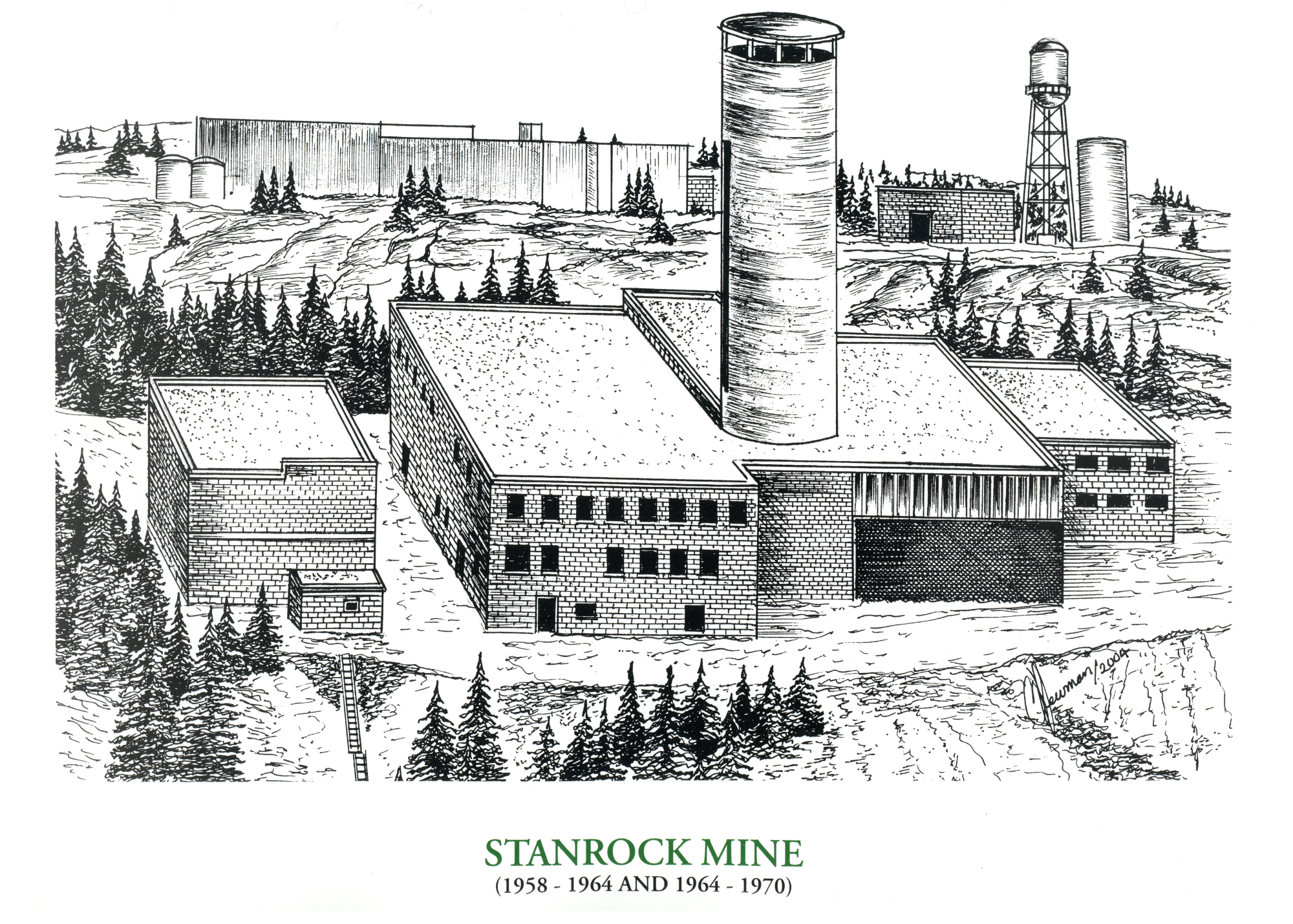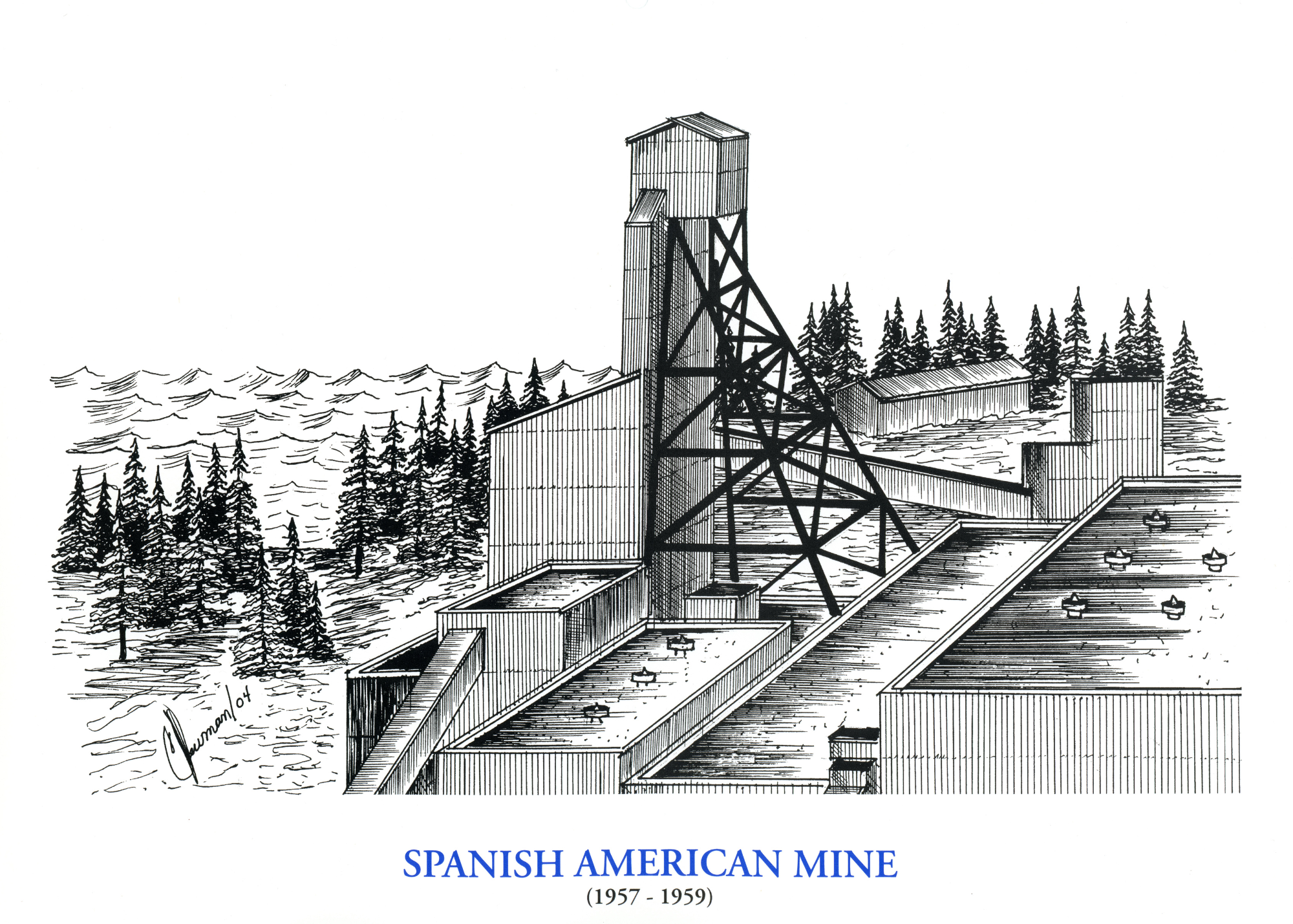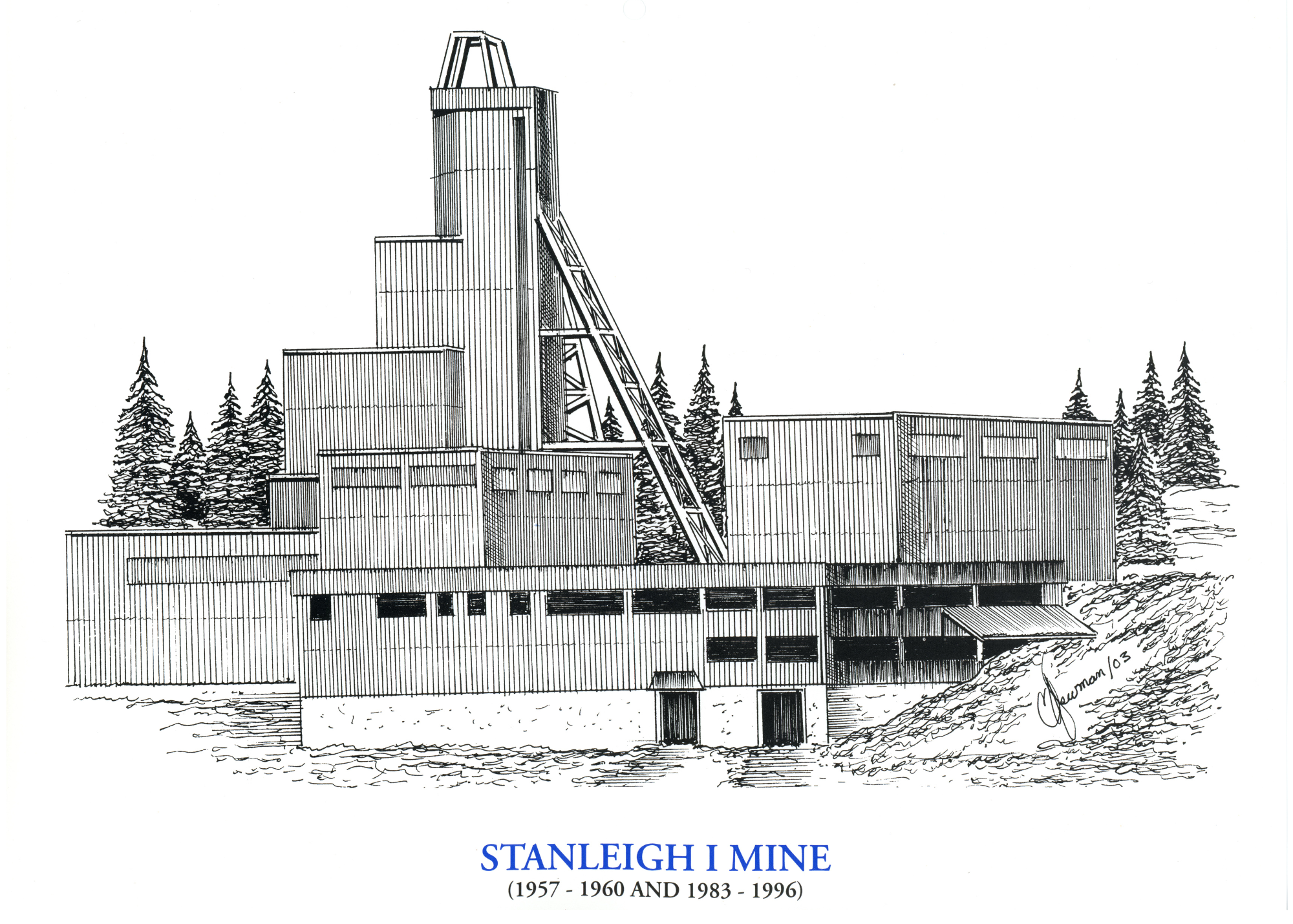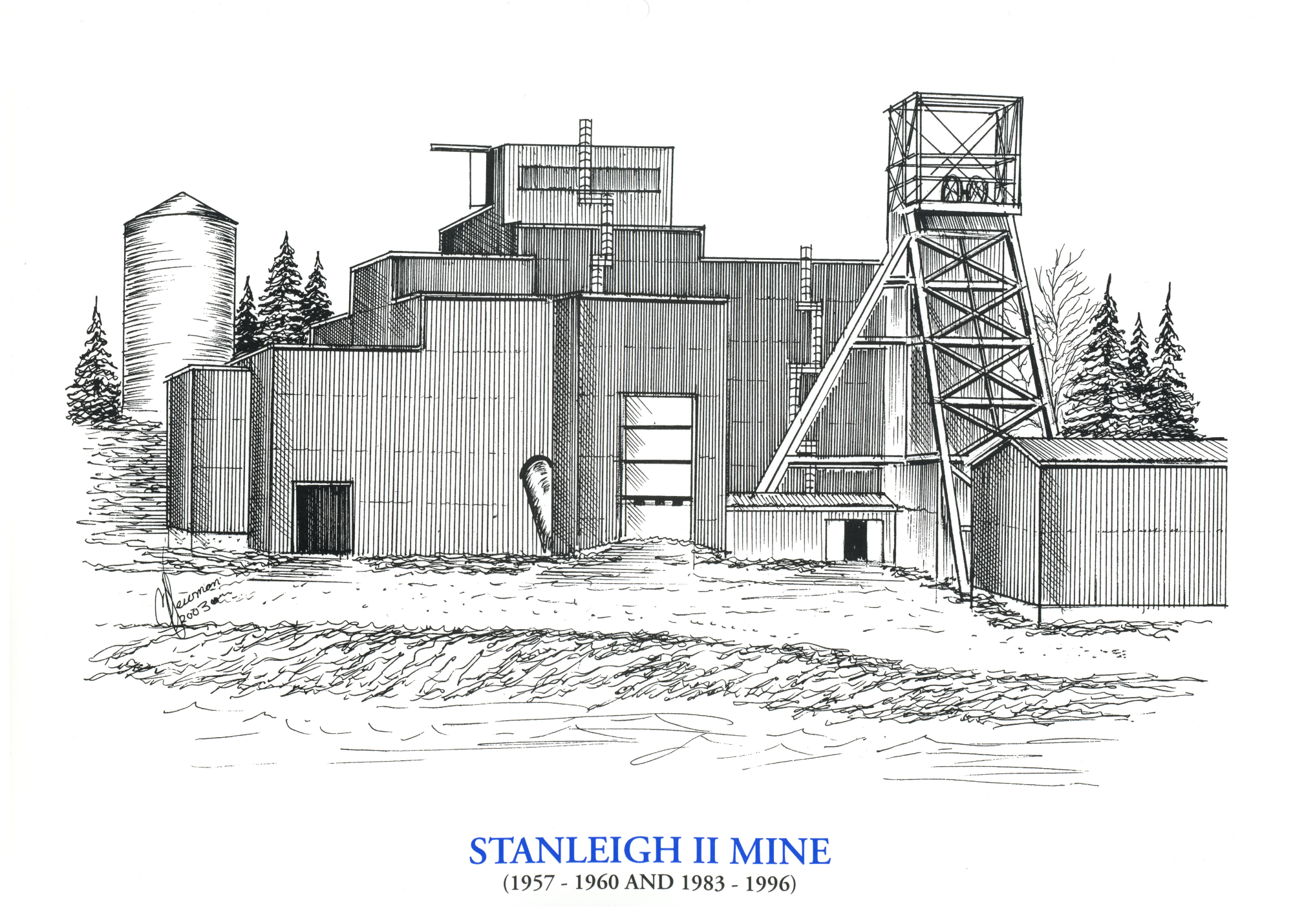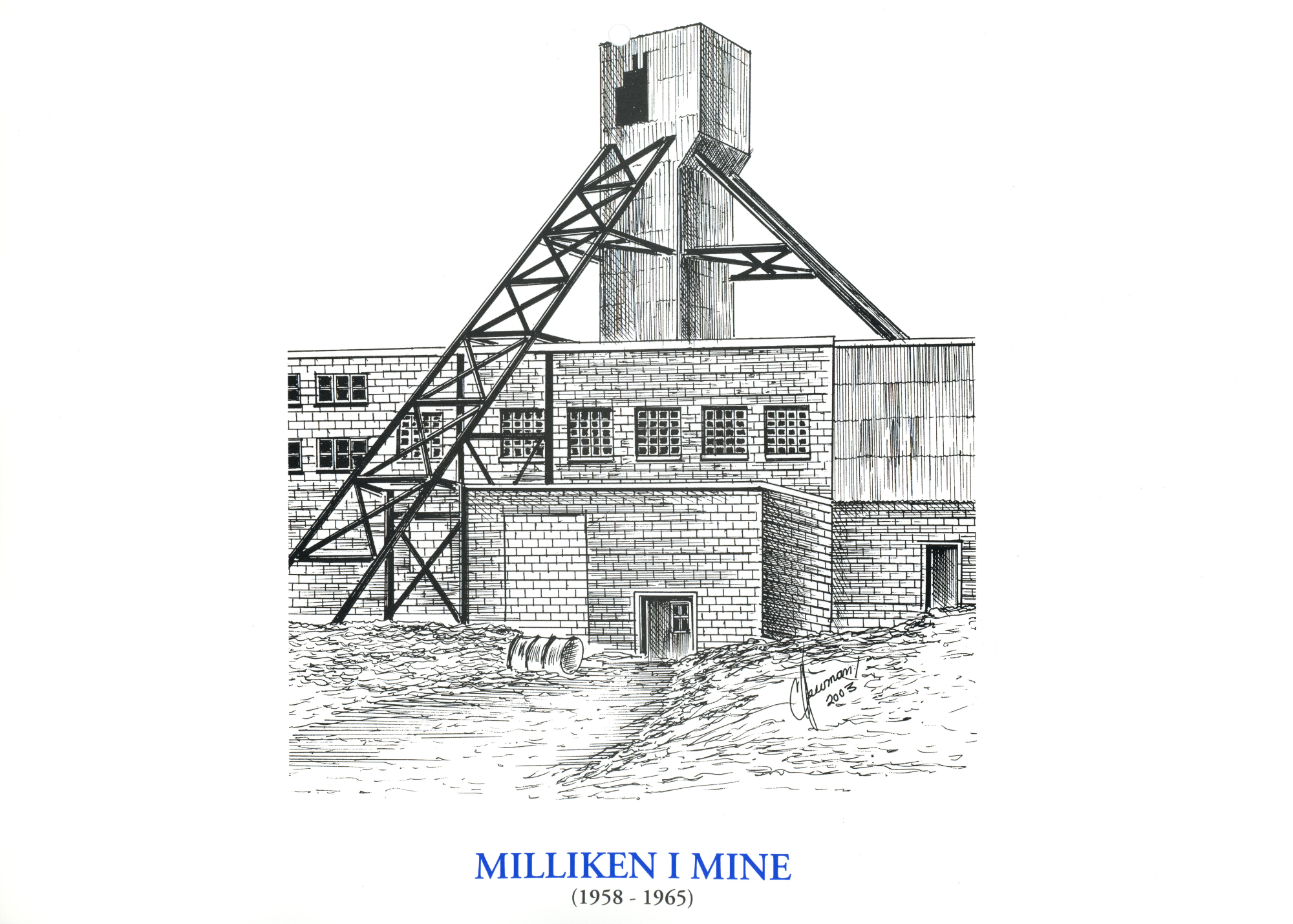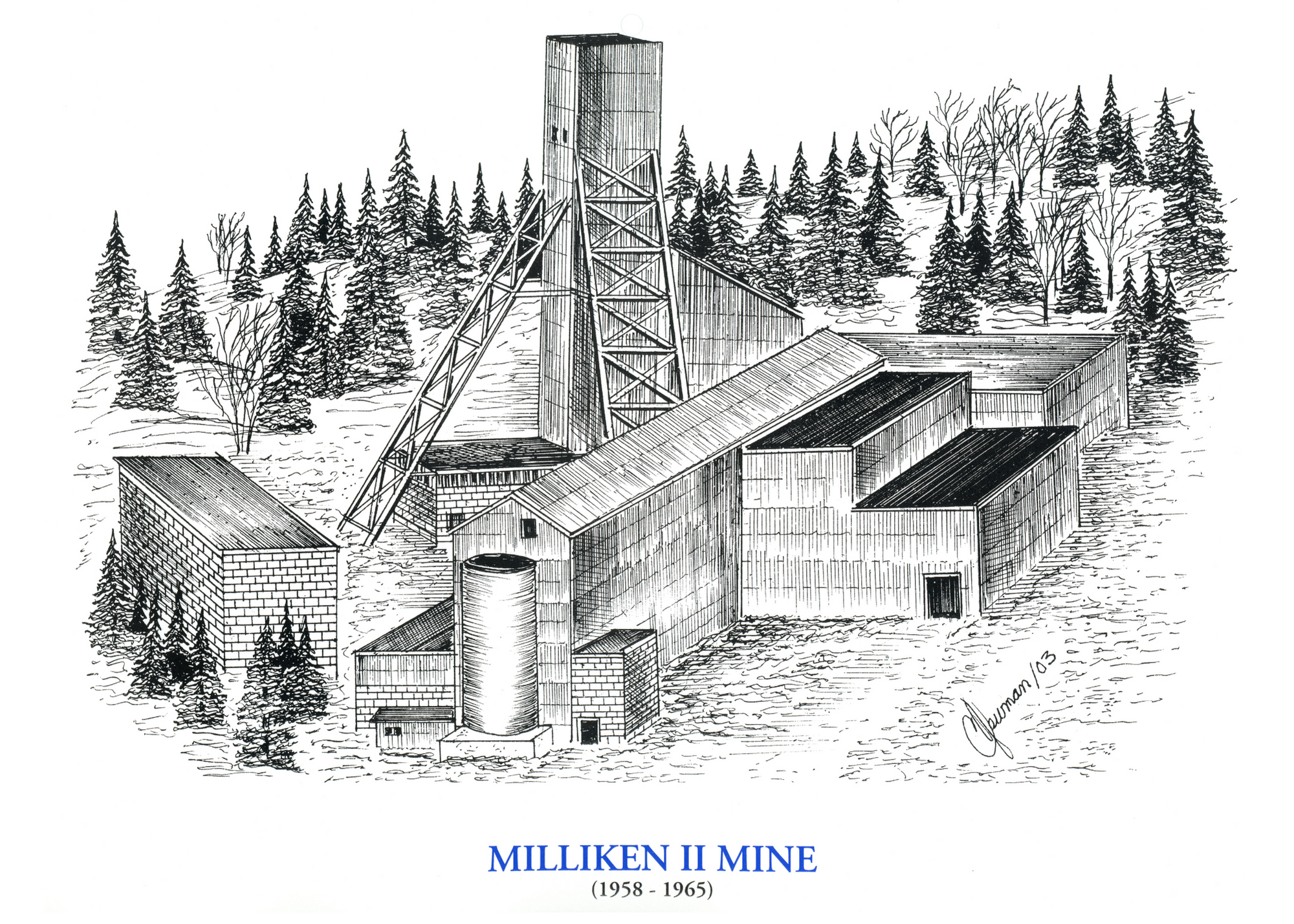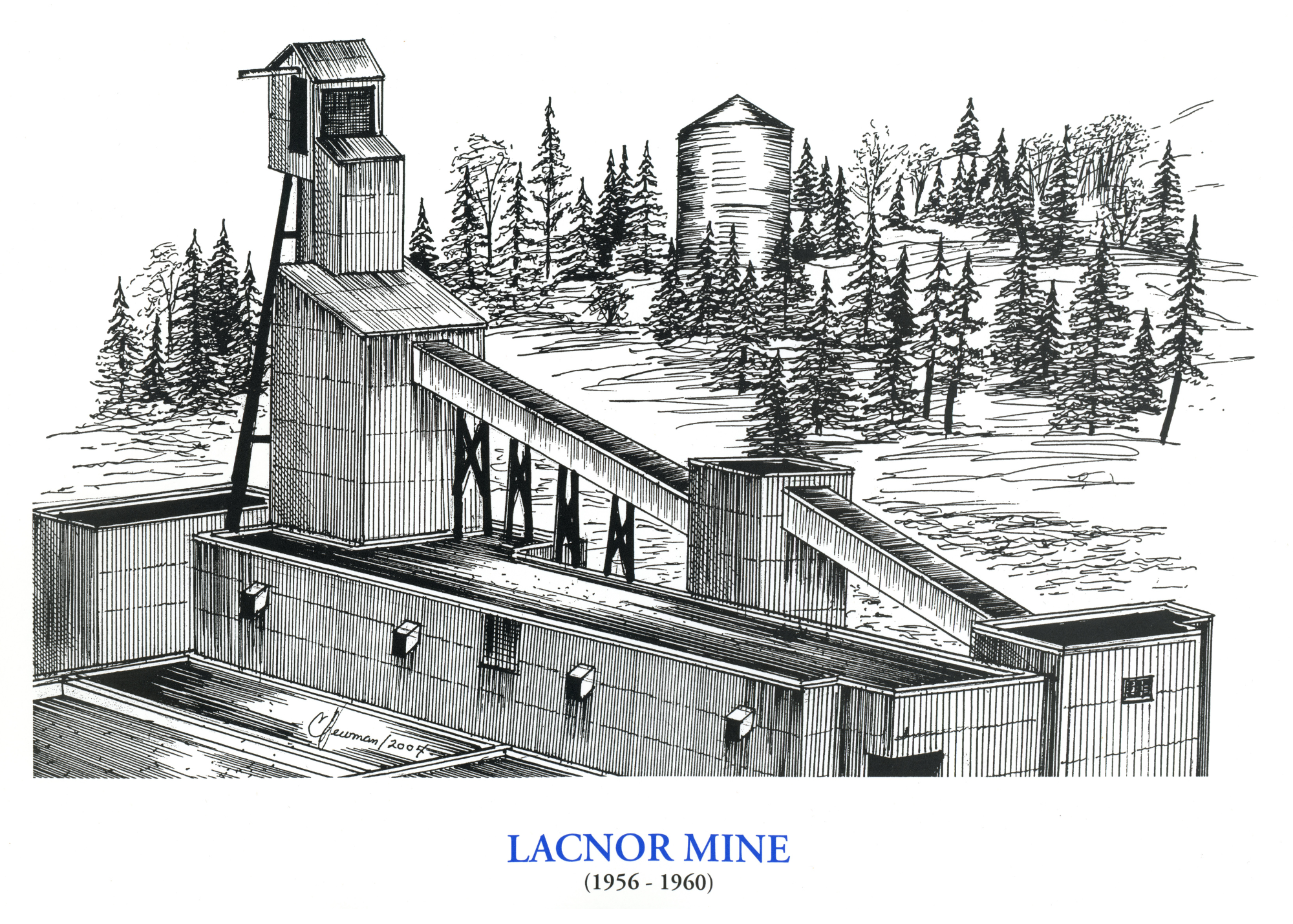
In 1948, prospecting duo Aimé Breton and Carl Gunterman came across a rock at the Sault Ste. Marie recording office, labelled only "Long Township," which sent their geiger counters clicking. The two set out to find the source of the radioactive rock, but this township represented 36 square miles of heavily wooded country. Not deterred, Breton and Gunterman eventually tracked down the mystery rock, staked the area, and started looking for a buyer.
This proved difficult because although geiger counters indicate a strong presence of radioactive materials, all surface samples revealed only very trace amounts. Time lapsed without anything worthwhile being found, and with it, so too did the claims.
One prospector-geologist who refused to let this paradox rest was Franc Joubin. Backed financially by Joseph Hirshhorn, Joubin pursued his theory at the risk of a $30,000 diamond-drilling program, which confirmed his wildest hopes: while the uranium values in the rock surface had been leached out and lost during centuries of exposure, below the surface they were very much intact.